12 Iconic Cars from Movie History
Quick answer: The 12 most iconic cars from movie history are vehicles that became stars in their own right, instantly recognisable and inseparable from the films they appeared in. Examples include the DeLorean from Back to the Future, James Bond’s Aston Martin DB5, and the Dodge Charger from The Fast and the Furious. These cars shaped pop culture and inspired generations of car enthusiasts worldwide.
Some cars are more than just machines—they’re cinematic legends. Movie cars can become as famous as the actors who drive them, turning into symbols of style, power, and fantasy. From high-speed chases to unforgettable stunts, these vehicles have left a lasting mark on film and car culture alike.
This list covers 12 of the most iconic cars in movie history, exploring what made each vehicle unforgettable and how they influenced real-world car enthusiasm, from India’s streets to Hollywood’s backlots.
Key takeaways
- Movie cars often become cultural icons, instantly recognised across generations.
- Many film cars influence real-world car trends and collector markets.
- Iconic movie vehicles span genres from action to comedy to science fiction.
- Some cars are modified for films, while others are celebrated for their stock appearance.
- Indian audiences have embraced both Bollywood and Hollywood car legends.
What makes a movie car ‘iconic’?
A movie car is iconic when it’s instantly associated with a film or character, often becoming a symbol of the story itself. The most memorable cars stand out due to unique looks, innovative features, or unforgettable scenes. They’re not just transportation—they’re woven into the film’s identity, often driving the plot or representing the protagonist’s personality.
Some cars become icons through spectacular stunts, like the Mini Coopers in The Italian Job, or by embodying a hero’s style, such as James Bond’s Aston Martin. Others, like the DeLorean in Back to the Future, become legendary through their fantastical abilities. The right combination of design, narrative, and screen time cements their status in movie history.
How does a car become a star in film?
A car becomes a star when it’s given a central role in the story, often supported by cinematography that highlights its features and performance. Filmmakers choose vehicles that fit the tone of the film and the personality of its characters. Sometimes, the car’s history or rarity adds to its mystique, while in other cases, custom modifications make the vehicle unforgettable.
For example, the Batmobile is reinvented in nearly every Batman film, each time reflecting the era’s design trends and the tone of the movie. In The Fast and the Furious, muscle cars and imports are chosen for their street cred and visual flair, making them key parts of the narrative. The result: the car becomes inseparable from the film’s identity.
12 iconic cars from movie history
Here are the 12 cars that have become legends, in no particular order:
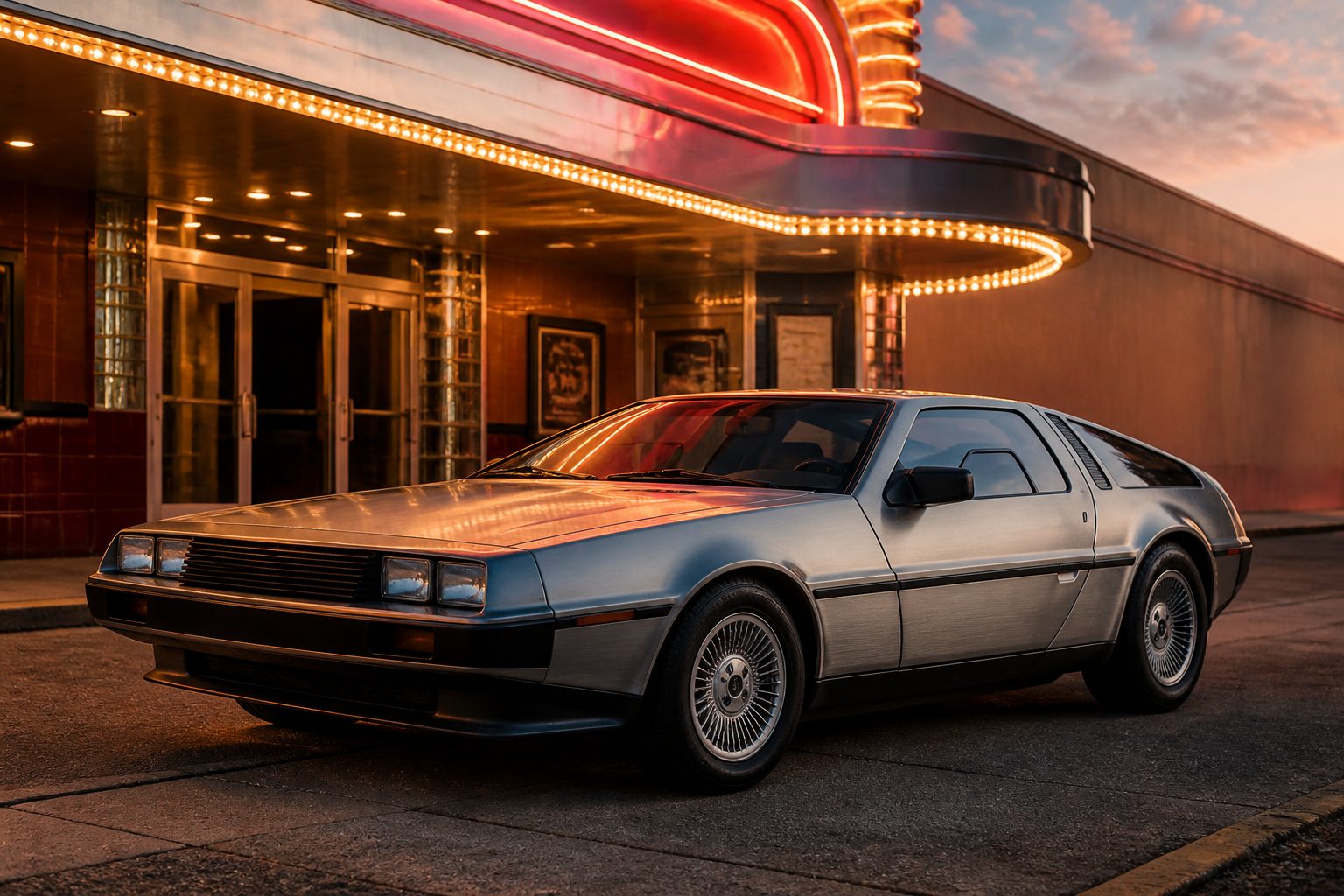
- DeLorean DMC-12 – Back to the Future (1985)
The DeLorean’s gullwing doors and stainless steel body made it the perfect time machine. Its role in the Back to the Future trilogy cemented its place in pop culture, turning a commercial flop into a collector’s dream. The car’s futuristic look and the flux capacitor are now movie legend. - Aston Martin DB5 – Goldfinger (1964) and James Bond series
First appearing in Goldfinger, the silver DB5 became synonymous with James Bond. Equipped with gadgets like ejector seats and machine guns, it’s the archetypal spy car, returning in many Bond films and inspiring generations of fans. - 1969 Dodge Charger – The Fast and the Furious (2001)
Driven by Dominic Toretto, the black Charger is a symbol of American muscle and family loyalty. Its wheelstands and drag races became hallmarks of the Fast & Furious franchise and influenced car culture worldwide, including India’s street racing scene. - Batmobile – Batman franchise
The Batmobile’s design changes with each film, from the jet-powered 1989 version to the militaristic Tumbler in The Dark Knight. Each iteration is as iconic as Batman himself, blending comic-book fantasy with real engineering. - Mini Cooper S – The Italian Job (1969)
Three red, white, and blue Minis starred in this British heist classic, famous for their nimble chases through Turin. Their playful persona and stunt driving made the Mini a global sensation. - Ford Mustang GT 390 – Bullitt (1968)
Steve McQueen’s dark green Mustang is legendary for the San Francisco chase scene, often cited as the greatest car chase in film history. The Mustang’s raw sound and performance made it an instant icon. - Chevrolet Camaro ‘Bumblebee’ – Transformers (2007)
Bumblebee’s transformation from a humble Camaro to a heroic Autobot thrilled audiences. The film helped revive interest in the Camaro, especially among younger fans. - Volkswagen Beetle – Herbie series (1968 onwards)
Herbie, the ‘Love Bug’, is a sentient Beetle with a racing spirit. The series made the Beetle a family favourite around the world, including in India where the car has a cult following. - Ford Falcon XB GT – Mad Max (1979)
The ‘Pursuit Special’ is a heavily modified Australian muscle car, embodying the lawless, post-apocalyptic world of Mad Max. Its aggressive look and V8 roar are legendary. - 1970 Dodge Challenger R/T – Vanishing Point (1971)
This white Challenger became a symbol of freedom and rebellion in this American road classic, inspiring countless enthusiasts to seek out their own muscle car adventures. - 1974 Ford Gran Torino – Starsky & Hutch (film and TV)
The red Torino with its white stripe became a TV and movie icon, symbolising buddy-cop action and 1970s cool. - Cadillac Miller-Meteor – Ghostbusters (1984)
Known as the Ecto-1, this converted ambulance/hearse is instantly recognisable with its sirens and rooftop gadgets. It’s a beloved piece of movie history and a favourite at fan conventions.
How have movie cars influenced real-world car culture?
Iconic movie cars often spark real-world trends, from car modifications to collector frenzies. After the Fast & Furious films, interest in Japanese imports and muscle cars soared, with fans replicating the looks and performance of their on-screen heroes. The DeLorean, once a commercial failure, became a collector’s item thanks to Back to the Future, and the Aston Martin DB5’s association with James Bond keeps it among the world’s most coveted classic cars.
In India, Hollywood and Bollywood films have shaped car culture, from the popularity of imported sports cars to the love for compact, nimble vehicles like the Mini. Enthusiast clubs, car meets, and social media groups often revolve around recreating or celebrating these movie legends, blending global trends with local flavour.
Which Indian films feature iconic cars?
While Hollywood dominates the global conversation, Indian cinema has its own car icons. The yellow Premier Padmini taxi in Taxi No. 9211 and the white Ambassador in countless Bollywood films are instantly recognisable to Indian audiences. Action films like Tarzan: The Wonder Car (loosely inspired by Christine and Herbie) gave Indian cinema its own fantastical car hero, while chase scenes in classics like Don and Sholay brought Indian roads to life on the big screen.
These cars resonate with Indian viewers because they reflect everyday reality and local car culture, making them as beloved as their Hollywood counterparts.
Why do certain cars become linked with specific movie characters?
Certain cars become inseparable from movie characters because they reflect personality traits, status, or a character’s journey. James Bond’s Aston Martin projects sophistication and technological prowess, while Dominic Toretto’s Charger represents raw power and family bonds. Herbie’s playful Beetle mirrors his underdog spirit, and the Batmobile’s design evolves with Batman’s persona and the film’s tone.
- Visual association: Unique styling makes the car instantly linked to its driver.
- Narrative function: The car often helps the character achieve key goals or escape danger.
- Symbolism: Vehicles become metaphors for freedom, rebellion, or heroism.
How are movie cars modified for the big screen?
Movie cars are often heavily modified to suit filming needs, stunts, or the film’s story. These modifications can include reinforced chassis for jumps, tuned engines for performance, and cosmetic changes to create a unique on-screen look. For example, the Fast & Furious cars are fitted with roll cages, nitrous systems, and body kits. The Batmobile combines real car parts with custom fabrications to achieve its fantasy design.
Sometimes, multiple cars are built for a single film—”hero” cars for close-ups, stunt cars for action, and replicas for dangerous scenes. The result is a blend of function and style, making the cars as memorable as the action sequences themselves.
What are some famous car chase scenes?
Several movie car chases are legendary, elevating both the vehicles and the films themselves. The chase through San Francisco in Bullitt set the standard for realism and intensity, while The Italian Job‘s Mini Cooper getaway is beloved for its creativity. The Fast & Furious franchise is known for over-the-top, physics-defying action, and Ronin (1998) is praised for its gritty, realistic European road chases.
- Bullitt (1968) – Mustang vs. Charger in San Francisco
- The French Connection (1971) – Pontiac LeMans chasing an elevated train
- The Italian Job (1969) – Mini Coopers through Turin
- Ronin (1998) – BMW and Peugeot chase in Paris
- The Fast and the Furious series – multiple street races and chases
Table: Quick reference to the 12 iconic movie cars
| Car | Film(s) | Key Features | Why Iconic? |
|---|---|---|---|
| DeLorean DMC-12 | Back to the Future | Gullwing doors, time machine gadgets | Time-travel fantasy, unique design |
| Aston Martin DB5 | James Bond series | Gadgets, classic British styling | Spy fantasy, enduring Bond symbol |
| Dodge Charger | The Fast and the Furious | Supercharged V8, drag racing | Muscle car power, family theme |
| Batmobile | Batman franchise | Custom design, gadgets, armour | Comic book legend, evolving style |
| Mini Cooper S | The Italian Job | Compact, agile, colourful | Heist fun, iconic chase scenes |
| Ford Mustang GT 390 | Bullitt | V8, Highland Green paint | Epic car chase, cool factor |
| Chevrolet Camaro ‘Bumblebee’ | Transformers | Yellow/black stripes, transforms | Modern hero car, youth appeal |
| Volkswagen Beetle ‘Herbie’ | Herbie series | Number 53, anthropomorphic | Family fun, global favourite |
| Ford Falcon XB GT | Mad Max | Supercharger, rugged mods | Dystopian symbol, cult classic |
| Dodge Challenger R/T | Vanishing Point | White paint, Hemi V8 | Freedom, counterculture icon |
| Ford Gran Torino | Starsky & Hutch | Red with white stripe | TV and film buddy cop symbol |
| Cadillac Miller-Meteor ‘Ecto-1’ | Ghostbusters | Ambulance/hearse, sirens | Paranormal comedy, fan favourite |
Frequently asked questions
Which movie car is the most valuable today?
The Aston Martin DB5 used in James Bond films is among the most valuable, with original screen-used models fetching millions at auctions due to their rarity and legendary status.
Are the stunts in car movies real or CGI?
Many classic movie stunts, such as those in Bullitt and The Italian Job, were performed by skilled stunt drivers using real cars. Modern films often combine practical effects with CGI for safety and spectacle.
Can you buy replicas of movie cars?
Yes, enthusiasts and specialist builders create replicas of famous movie cars like the DeLorean time machine, Batmobile, and Fast & Furious Chargers. Some are officially licensed, while others are custom builds.
What is the most famous Bollywood movie car?
The Premier Padmini taxi from Taxi No. 9211 and the modified car from Tarzan: The Wonder Car are among the most famous Bollywood movie cars, instantly recognised by Indian audiences.
Why do filmmakers choose certain cars for movies?
Filmmakers select cars that fit the character’s personality, the story’s setting, and the visual style of the film. Unique or rare vehicles help make scenes more memorable and marketable.
How have car movies influenced motorsport and racing games?
Car movies inspire racing games and motorsport by popularising certain cars, styles, and racing cultures. Franchises like Fast & Furious and Need for Speed often cross-promote, boosting interest in both worlds.
The bottom line
Iconic movie cars are more than vehicles—they’re cinematic legends that inspire car lovers, spark trends, and fuel imaginations across generations and continents.