Electric Cars in India: Key Models, Prices, and Market Overview
Quick answer: As of September 2020, the Indian electric car market features models like Tata Nexon EV, Tigor EV, and Hyundai Kona Electric. Prices range from affordable to premium, but charging infrastructure and model choices remain limited. Always check with official sources for the latest updates.
Electric cars are gaining attention in India, with manufacturers like Tata, Mahindra, and Hyundai introducing new models. However, the market is still developing, with challenges such as limited charging stations and higher prices for some models. This article summarizes the electric car landscape in India based on information available in September 2020. For the latest details, always confirm with official dealers or manufacturers.
Several Indian and international carmakers have announced plans to expand their electric vehicle (EV) offerings. While some affordable models are available, charging infrastructure and high upfront costs remain key concerns for potential buyers.
Key takeaways
- Tata Nexon EV was among the best-selling electric cars in India as of late 2020.
- Affordable electric cars like Tata Tigor EV and Tiago EV are available, but options are limited.
- Charging infrastructure is still developing, especially outside major cities.
- Hyundai Kona Electric and MG ZS EV cater to the premium segment.
- Government and private companies are increasing electric vehicle adoption through procurement and partnerships.
Which are the popular electric cars available in India?
Some of the most popular electric cars available in India as of September 2020 include the Tata Nexon EV, Tata Tigor EV, Hyundai Kona Electric, and MG ZS EV, each catering to different preferences and budgets.
Tata Nexon EV and Tata Tigor EV are known for their affordability and suitability for Indian conditions. The Nexon EV, in particular, offers SUV styling and practical features, making it a favorite among urban families. The Tigor EV is a compact sedan, often chosen by fleet operators and city commuters for its low running costs.
Hyundai Kona Electric and MG ZS EV represent the premium segment, offering longer driving ranges, advanced infotainment systems, and higher comfort levels. These models are popular among buyers looking for modern features, strong performance, and a more luxurious driving experience.
What to check: When selecting an electric car, consider your daily driving needs, the availability of charging infrastructure, and the warranty period offered on the battery. Look at real-world range reports, as actual performance can vary based on traffic, weather, and driving style.
Practical tips: Test drive different models to compare ride quality, interior space, and ease of use. Research after-sales service networks and check for software updates or support provided by the manufacturer.
Safety: Ensure the car has essential safety features such as ABS, airbags, and stability control. Check for crash test ratings if available, and always follow the manufacturer’s maintenance guidelines to keep the vehicle and its battery system in optimal condition.
What is the price range of electric cars in India?
Electric car prices in India as of 2020 varied widely. Affordable models like Tata Tigor EV and Tiago EV started around ₹4-6 lakh (ex-showroom), while premium options like Hyundai Kona Electric and Jaguar’s electric car were priced much higher, sometimes reaching around ₹1 crore.
How does the charging infrastructure impact electric car adoption?
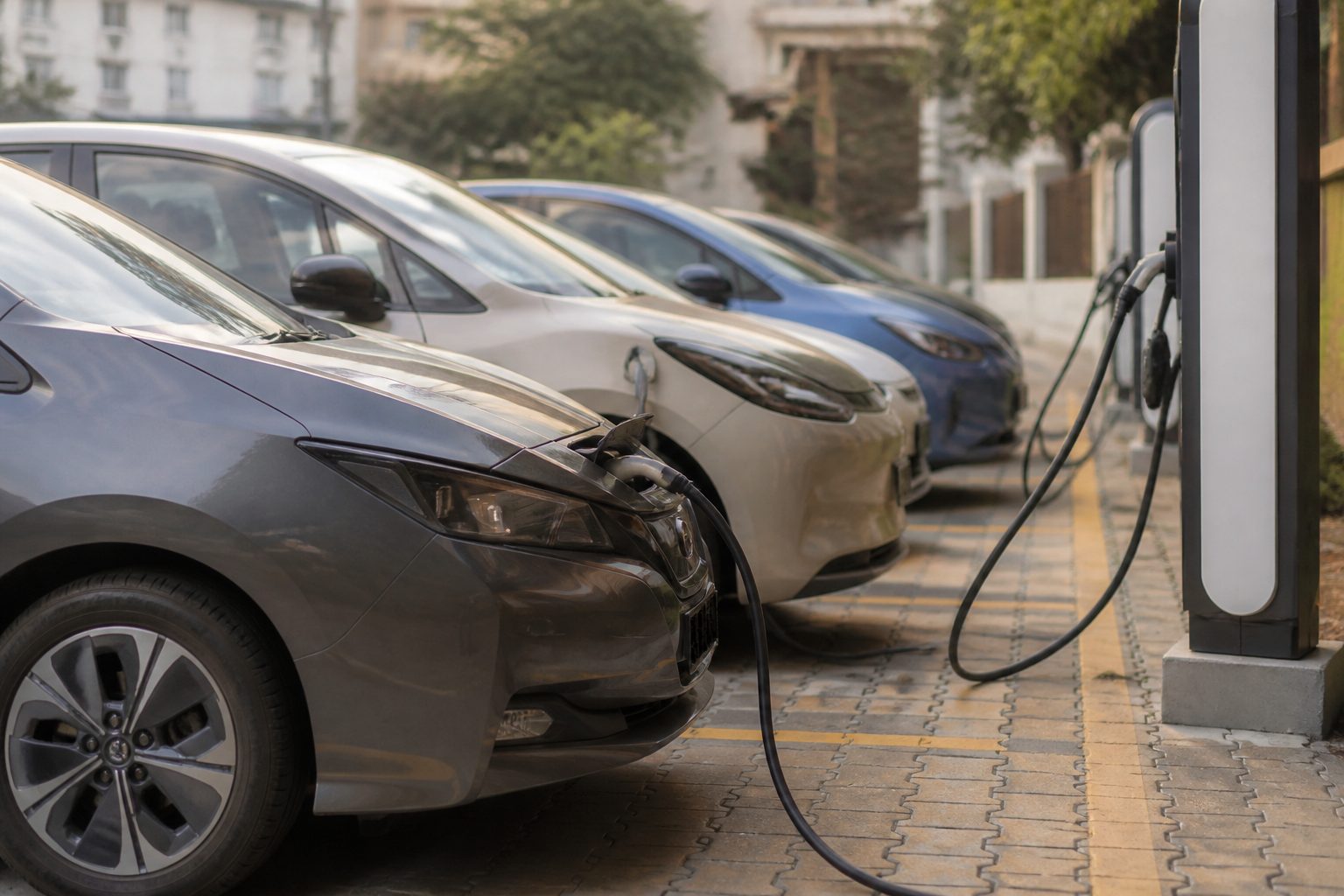
The growth and accessibility of charging infrastructure directly influence how quickly electric cars are adopted in India, with limited charging stations currently being a major barrier to widespread use.
How it works: Electric cars need regular charging, much like mobile phones. Public charging stations are essential for drivers who travel longer distances or do not have access to home charging. The convenience and speed of charging, as well as the availability of fast chargers, play a key role in the practicality of owning an electric vehicle.
Practical tips: Before purchasing an electric car, check if there are reliable charging stations near your home, workplace, or along your regular routes. Some car manufacturers offer home charging installation, which can be a major advantage. Planning longer trips may require checking charging station locations in advance.
What to check: In major cities like Delhi, charging networks are still growing, so it’s important to monitor expansion plans and new station openings. Some apps and websites provide real-time information about available charging points, which can help you plan your journeys more efficiently.
Safety: Always use certified charging equipment and avoid using damaged or unofficial charging points. Make sure the charging area is well-lit and secure, especially at night. Following manufacturer guidelines for charging helps maintain battery health and safety.
Which manufacturers are active in the Indian electric car market?
Several manufacturers are actively shaping the Indian electric car market, offering a range of models that cater to different customer needs and budgets.
Tata Motors and Mahindra have taken the lead in producing affordable electric cars, making EVs accessible to a wider audience. Their focus is on compact cars and sedans that are suitable for city driving and daily commutes. These models are designed keeping Indian road and traffic conditions in mind, with an emphasis on practicality and cost-effectiveness.
Hyundai and MG have introduced electric SUVs that target the premium segment. These vehicles offer advanced features, higher driving range, and enhanced comfort, appealing to buyers looking for more luxury and performance in their electric vehicles.
Nissan was also expected to launch the Leaf, which is a globally popular electric hatchback known for its reliability. The entry of international brands like Nissan signals growing confidence in the Indian EV market and promises more options for consumers.
What to check: When considering a manufacturer, look at their track record for after-sales service, availability of spare parts, and the warranty offered on the battery and motor. Also, research the manufacturer’s plans for expanding charging infrastructure, as some brands partner with charging networks to provide better convenience to their customers.
Safety: Choose manufacturers with a reputation for safety and reliability. Check for crash test ratings and customer reviews, and ensure the company has a responsive customer service network in India for any technical or emergency support.
How do electric cars compare to hybrid cars in India?
Electric cars and hybrid cars serve different needs, but in the Indian context, electric cars generally provide a lower carbon footprint compared to hybrids, even though the majority of India’s electricity is still produced using thermal sources like coal.
How it works: Electric cars run solely on batteries and electric motors, producing zero tailpipe emissions. Hybrid cars combine a traditional internal combustion engine with an electric motor, so they can run on petrol/diesel, electric power, or a combination of both. This means hybrids still emit some pollutants, especially when running on fuel, while electric cars eliminate local emissions entirely.
Practical tips: When choosing between the two, consider your daily driving distance and access to charging. Electric cars are ideal if you can charge at home or work and mostly drive short to medium distances. Hybrids might be more practical if you often travel longer distances or to areas with limited charging infrastructure.
What to check: For electric cars, check battery range, charging options, and warranty. For hybrids, look at fuel efficiency and battery longevity. Also, government-purchased electric cars in India often have smaller battery packs to keep costs down, which may limit range but makes them more affordable.
Safety: Both electric and hybrid cars come with modern safety features, but always verify crash test ratings and battery safety systems. Proper maintenance and following manufacturer guidelines are crucial for both types, especially regarding battery care and electrical systems.
What are the main features and specifications of key electric car models?
Electric cars in India offer varying ranges, performance, and features. For example, the XUV300 Electric was expected to offer up to 300 km range and a top speed of 200 km/h. Tata Nexon EV and Tigor EV also offer competitive ranges for their price segments.
| Model | Approx. Price (₹ lakh) | Range (km) | Type |
|---|---|---|---|
| Tata Tigor EV | ~12 | Up to 340 | Sedan |
| Tata Tiago EV | ~4-6 | Not specified | Hatchback |
| Hyundai Kona Electric | ~25 | ~300 | SUV |
| MG ZS EV | Premium | Not specified | SUV |
| Jaguar Electric | ~100 | Not specified | SUV |
Frequently asked questions
Are electric cars affordable in India?
Some electric cars like the Tata Tigor EV and Tiago EV are positioned as affordable options, starting around ₹4-6 lakh. However, many models are priced higher, and affordability depends on the model and features.
Is the charging infrastructure sufficient for electric cars?
As of 2020, charging infrastructure in India was limited, especially outside large cities. This is a key challenge for EV adoption, but expansion efforts are ongoing by both government and private players.
Which company sells the most electric cars in India?
Tata Motors had a significant market share in electric cars in India as of 2020, with models like Nexon EV and Tigor EV. Mahindra and Hyundai also contributed to the growing market.
Do electric cars have lower running costs than petrol or diesel cars?
Electric cars generally have lower running costs compared to petrol or diesel vehicles, mainly due to lower electricity costs and fewer moving parts requiring maintenance. However, upfront costs can be higher.
What is the average range of electric cars in India?
The average range for electric cars in India varies by model, with many offering between 250 km to 340 km per full charge. Higher-end models may offer more range, depending on battery size and technology.
The bottom line
As of September 2020, India’s electric car market was expanding, with several models available and more planned. While affordability and charging infrastructure remain challenges, the sector is expected to grow as technology improves and more options become available. Always verify current details before making a purchase decision.



One Comment